How Professional Upholstery Cleaners Fix Common Fabric Shrinking Problems
It often starts with good intentions. A spill on the lounge, a hired machine from the supermarket and a quick weekend clean. A few hours later, the fabric looks tighter, seams begin to pull and cushions no longer sit quite right. Fabric shrinkage is one of the most common and frustrating outcomes of improper upholstery cleaning in Canberra, especially when moisture and heat are not carefully controlled.
Professional upholstery cleaners approach fabrics very differently. They assess fibres, regulate moisture and manage drying conditions with precision. Shrinkage is rarely random. It usually stems from avoidable factors such as over-wetting, heat exposure or tension changes within the weave. Understanding how professionals prevent and correct these issues can save both furniture and money.
Why Fabric Shrinkage Happens During Upholstery Cleaning
Fabric shrinkage occurs when fibres absorb excess moisture and then contract as they dry. Natural fibres such as cotton and linen are particularly prone to this reaction. When water penetrates too deeply or heat accelerates drying unevenly, the material tightens and distorts.
In upholstery cleaning, the structure of the fabric matters just as much as the surface fibres. Backings, stitching and internal padding all respond differently to moisture.
Common causes of shrinkage include:
- Over-wetting that saturates the fabric backing
- High heat during cleaning or drying
- Uneven moisture distribution
- Rapid drying that pulls fibres inward
- Incorrect cleaning solutions affecting fibre stability
Professional cleaners understand how each of these factors interacts and adjust techniques accordingly to protect the integrity of the upholstery.
The Hidden Risks of DIY Upholstery Cleaning
DIY machines are designed for general use, not for delicate upholstered furniture. While they may appear convenient, they often apply more water than necessary and lack strong extraction capability. This leaves excess moisture sitting in the fabric and padding.
Home remedies can also introduce problems. Household detergents may alter fibre tension or leave residues that stiffen material as it dries.
Common DIY risks include:
- Limited control over water pressure
- Inadequate extraction power
- Lack of fibre testing before cleaning
- Over-scrubbing that weakens weave tension
- Use of hot water without temperature regulation
Professional upholstery cleaning in Canberra uses calibrated equipment and tailored solutions to minimise these risks and preserve the structure of each piece.
Fibre Identification: The First Step Professionals Never Skip
Before any cleaning begins, trained technicians identify the fabric composition. This step determines how much moisture can safely be used and which cleaning agents are appropriate.
Natural fibres behave differently from synthetic blends. Wool, cotton and viscose respond quickly to moisture changes, while polyester and nylon offer more stability. Even within synthetic fabrics, weave density and backing materials vary.
Key fibre considerations include:
- Natural fibres versus synthetic blends
- Tight or loose weave construction
- Type of backing material
- Age and condition of the upholstery
- Previous cleaning history
By identifying fibre characteristics first, professionals tailor their approach to reduce shrinkage risk rather than applying a one-size-fits-all method.
Controlled Moisture Techniques Used in Professional Upholstery Cleaning
Water is necessary for effective cleaning, but it must be applied with restraint and precision. Professional upholstery cleaners regulate moisture levels carefully to avoid saturating the fabric backing.
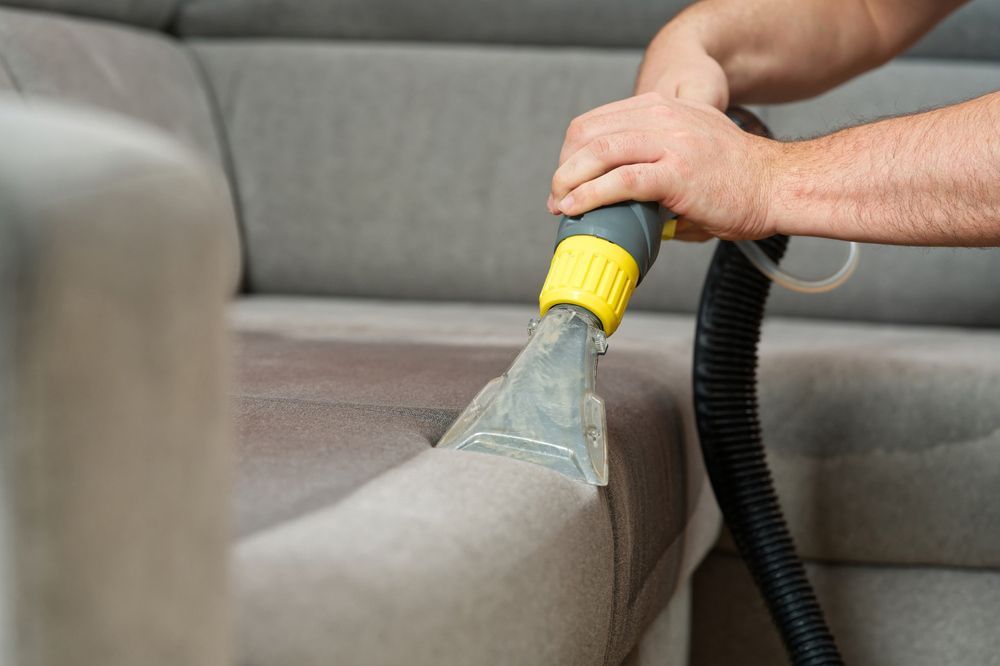
Low-moisture cleaning systems and controlled application tools help distribute the solution evenly. Extraction equipment then removes the majority of moisture immediately after agitation.
Professional moisture management typically involves:
- Low-flow spray systems
- Balanced pH cleaning solutions
- High-powered extraction tools
- Targeted application rather than full saturation
- Continuous monitoring during cleaning
In upholstery cleaning in Canberra, where seasonal humidity can affect drying times, moisture control becomes even more important to prevent fibre contraction.
Correct Drying Methods That Prevent Fabric Distortion
Drying is just as critical as the cleaning process itself. If upholstery dries unevenly, fibres may contract at different rates, causing rippling or seam pulling. Professionals manage airflow and temperature to encourage consistent drying across the entire surface. Rather than relying on ambient air alone, they use specialised equipment to maintain balance.
Effective drying practices include:
- Strategic placement of air movers
- Monitoring humidity levels
- Avoiding direct high heat on delicate fibres
- Resetting fabric tension where required
- Ensuring complete extraction before drying
These steps reduce stress on fibres and help maintain the original shape and fit of cushions and upholstery panels.
How Experts Restore Shrunk Upholstery
Once shrinkage has occurred, restoration becomes more complex. However, not all cases are irreversible. Professionals can sometimes relax fibres and adjust tension to minimise visible distortion. Corrective techniques focus on controlled rehydration and careful manipulation of the affected areas. While full reversal is not always possible, improvements can often be achieved.
Restorative approaches may include:
- Controlled re-wetting of affected sections
- Gentle fibre stretching
- Seam realignment where feasible
- Resetting cushion covers while damp
- Stabilising backing materials
Attempting these corrections without training may worsen the issue, which is why professional assessment is recommended when shrinkage appears.
Why Specialised Equipment Makes a Difference
Commercial-grade equipment allows technicians to fine-tune every stage of the cleaning process. Adjustable pressure systems and temperature controls reduce the likelihood of fibre shock. Moisture meters help determine how much water remains in the fabric after extraction. This data-driven approach ensures upholstery does not retain excess moisture that could cause contraction during drying.
Professional tools typically include:
- Adjustable pressure extraction units
- Precision upholstery wands
- Moisture detection meters
- Temperature-regulated systems
- Fabric-safe agitation tools
These technologies provide a level of control not available with general household machines, reducing the chances of accidental shrinkage.
Choosing Professional Upholstery Cleaning in Canberra for Long-Term Fabric Care
Selecting a qualified service provider involves more than comparing prices. Knowledge of fibre behaviour, moisture control and fabric construction directly affects outcomes. Homeowners should look for technicians who prioritise testing and tailored treatment plans rather than standardised processes.
Important considerations when hiring include:
- Fibre identification before cleaning
- Clear explanation of the cleaning method
- Controlled moisture application techniques
- Post-clean drying management
- Advice on ongoing fabric care
Professional upholstery cleaning in Canberra offers long-term fabric care strategies that help maintain both appearance and structural stability.
Protect Your Upholstery the Right Way
Fabric shrinkage can happen quickly, but prevention relies on measured techniques and informed decisions. Professional cleaning protects delicate fibres through controlled moisture, correct drying and detailed fibre assessment.
At Totally Green Cleaning Solutions, we apply specialised knowledge and carefully regulated cleaning systems to protect your furniture from shrinkage and distortion. If your lounge or upholstered furniture needs professional attention, contact us today to book a service and ensure your fabrics are cleaned with care.