How Often Should You Get Your Upholstery Cleaned (And How To Make It Last)

A couch sees more daily use than almost any other piece of furniture in the house. Meals, movie nights, kids climbing on and off, pets curling up for a nap: all of it leaves a trace, even when the fabric still looks fine on the surface. That's what makes upholstery cleaning tricky to plan for. Unlike carpets, which show wear in obvious traffic lanes, upholstery tends to hide dust, oils and allergens until the fabric starts to look dull or feel slightly stiff. Knowing how often to clean upholstery isn't just about appearances; it's about protecting the fabric itself and the air quality inside the home. This guide works through the two questions homeowners ask most: how frequently should upholstery be professionally cleaned, and once it's done, how do you keep it looking that way for longer?
Standard Households: The 12 to 18 Month Guide
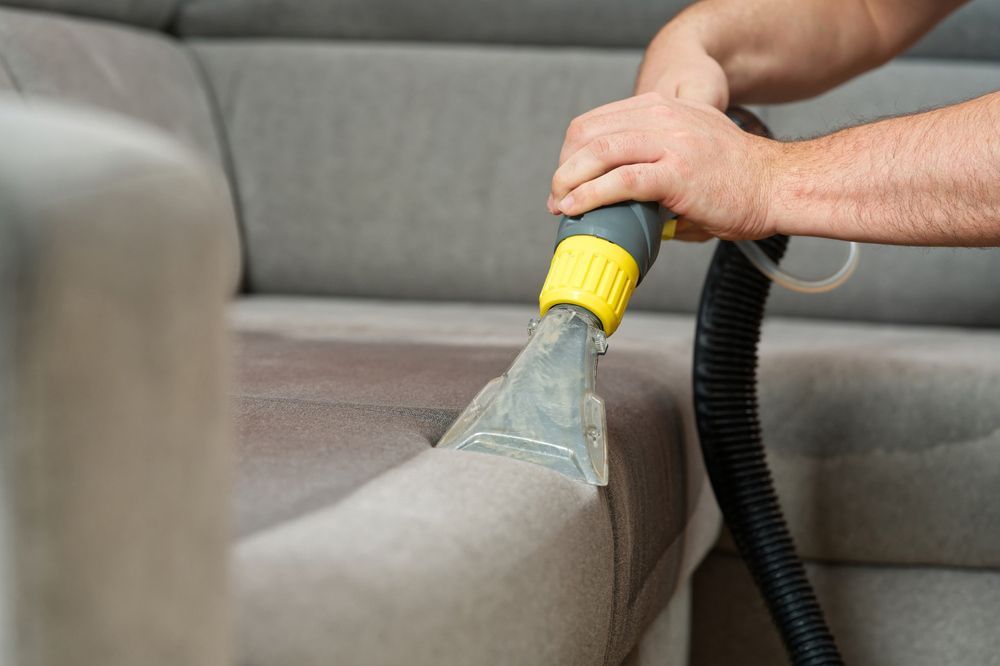
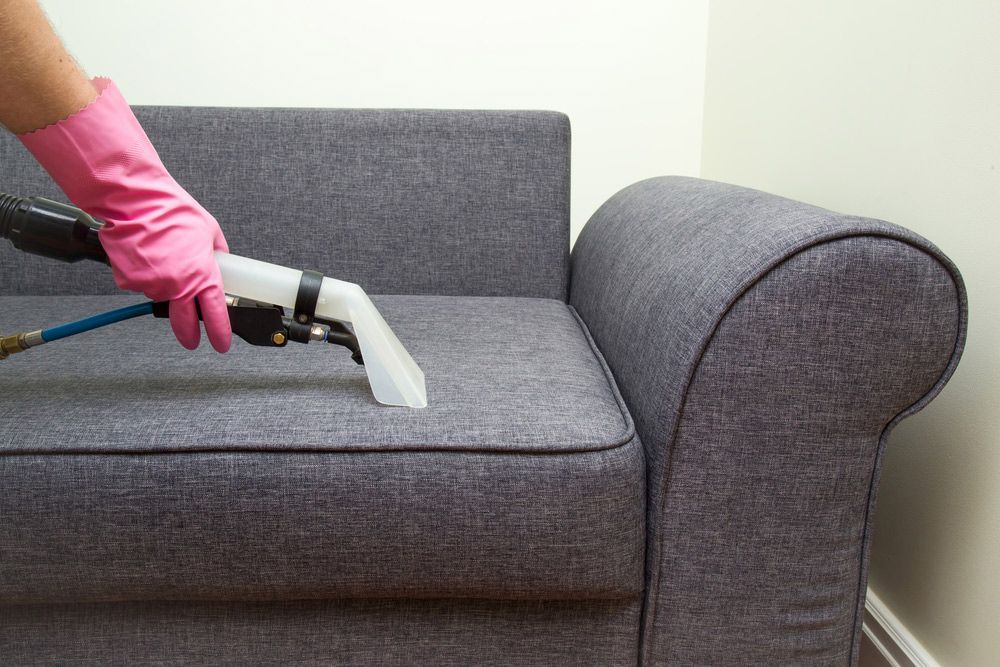
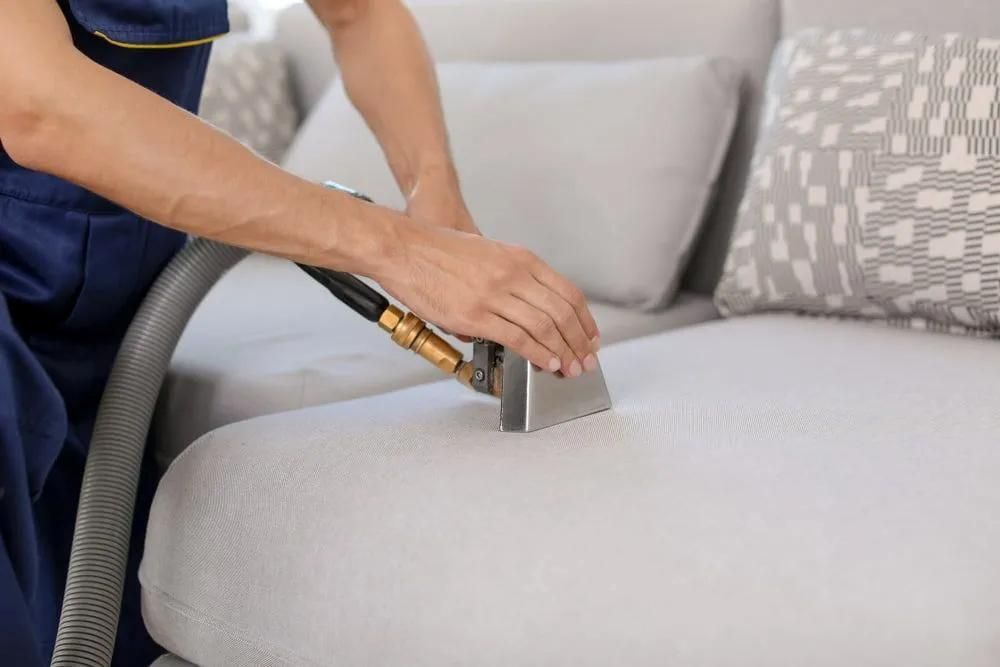
For a typical household without pets or heavy daily use, upholstery generally holds up well on a 12 to 18 month cleaning cycle. This timeframe allows enough build-up of dust, skin oils and general grime to justify a professional clean, without over-cleaning fabric that hasn't had the chance to get properly soiled. For most Canberra households, scheduling upholstery cleaning in Canberra every 12 to 18 months is enough to maintain hygiene and extend furniture life.
- Lounges used mainly in the evening or on weekends tend to sit at the 18-month mark
- Fabric that's exposed to direct sunlight for part of the day may need attention slightly sooner, as UV exposure accelerates fibre breakdown
- Lighter-coloured upholstery often shows soiling earlier than darker fabrics, even if the actual level of grime is similar
This interval isn't a fixed rule so much as a starting point. It's worth adjusting based on how the furniture is actually used day to day.
Pet Households: Six to Twelve Months
Pets change the equation considerably. Fur, dander, saliva and the oils on a pet's coat work their way into upholstery fibres faster than general household use alone. Households with cats or dogs, particularly ones allowed on the furniture, usually get better results on a six to twelve month cleaning frequency.
- Shorter-haired pets can still leave behind dander that settles deep in the weave
- Accidents or drool marks left untreated tend to set into the fabric, making them harder to lift later
- Multi-pet homes often sit closer to the six-month end of that range
Upholstery cleaning frequency for pet owners really comes down to how much direct contact the pets have with the furniture, rather than the number of pets alone. Pet owners especially benefit from more regular couch cleaning in Canberra services, since dander, hair and odour build up faster than most people realise.
Allergy Sufferers: A Tighter Cleaning Schedule
For anyone in the household managing allergies or asthma, upholstery can quietly hold onto dust mites, pollen and pet allergens between cleans. A tighter schedule, generally every six to nine months, helps keep allergen levels lower and supports better indoor air quality.
- Fabric upholstery holds allergens more readily than leather or synthetic leather alternatives
- Bedroom armchairs and reading nooks are easy to overlook but often collect just as much dust as living room furniture
- Combining professional cleaning with regular vacuuming gives the best results between visits
This is one area where sticking to a schedule, rather than waiting for visible signs, makes a genuine difference to comfort at home.
High-Traffic Furniture Needs Its Own Timeline
Not all pieces in a home wear at the same rate. A family room sofa used daily by children and adults alike will need attention far sooner than a formal lounge suite reserved for guests.
- Family rooms, home offices and shared living spaces typically need cleaning every 9 to 12 months
- Dining chairs with fabric seats often need spot attention more frequently due to food and drink spills
- Furniture in a rental property between tenants benefits from a clean regardless of visible soiling, simply due to unknown history
Treating each piece of furniture on its own merits, rather than applying one blanket schedule to the whole house, tends to give more accurate results when working out how often to clean upholstery in a busy home.
Signs Your Upholstery Needs Cleaning Sooner
Scheduled intervals are a helpful guide, but upholstery will often tell you when it needs attention ahead of time. Watching for a few practical warning signs helps avoid stains setting in or odours becoming embedded in the fabric.
- A faint musty smell, particularly noticeable when someone sits down
- Visible darkening along armrests, headrests or cushion edges
- Fabric that feels slightly gritty or stiff to the touch
- Persistent sneezing or irritation when sitting on a particular piece
- Stains that have been spot-cleaned but left a faint outline behind
If any of these appear well before the expected cleaning date, it's worth booking a clean rather than waiting out the calendar. Not sure if it's time? Book your next clean and we'll assess your upholstery and tell you exactly what it needs.
Why Cleaning Results Don't Always Last
It's a common frustration: upholstery looks and smells great straight after a professional clean, then starts to look tired again within a few months. This usually comes down to a combination of factors rather than any single cause.
- Everyday use continues immediately after cleaning, so oils and dust begin resettling straight away
- DIY spot-cleaning between visits, using the wrong product or too much moisture, can push soil deeper into the fibres instead of lifting it out
- Sunlight exposure fades and weakens fabric, making it more prone to holding onto dust and looking dull sooner
- Pets returning to their usual spots reintroduce fur and dander almost immediately
- Humidity and general household dust settle continuously, regardless of how recently the furniture was cleaned
Incorrect at-home methods are a big reason results don't last, and they can create bigger issues too, as our guide to why DIY upholstery cleaning leads to mould or mildew problems explains. None of this means the clean itself wasn't effective. It simply means upholstery, like most soft furnishings, needs a bit of ongoing care to hold onto those results.
Everyday Habits That Extend the Results
The gap between professional cleans is really where the long-term condition of upholstery is decided. A few consistent habits make a noticeable difference to how fabric looks and feels months down the track.
- Vacuum upholstery weekly using an appropriate attachment to lift surface dust before it settles into the weave
- Rotate and flip cushions regularly so wear and fading spread evenly rather than concentrating in one spot
- Respond to spills immediately by blotting rather than rubbing, and avoid saturating the fabric with water
- Keep furniture out of direct, harsh sunlight where possible, or use curtains or blinds during peak sun hours
- Brush pet hair off regularly rather than letting it build up between vacuuming sessions
These small, repeated actions do more for the long-term appearance of upholstery than any single deep clean can achieve on its own.
Professional Fabric Protection for Longer-Term Care
For households that want cleaning results to last as long as possible, fabric protection applied during a professional visit adds a further layer of defence. It works by creating a barrier on the fibres that makes spills easier to blot up before they set in, and helps reduce how quickly dust and oils reattach to the fabric.
- Particularly useful for households with young children, where spills are frequent
- Helps maintain the appearance of lighter-coloured fabrics between cleans
- Can extend the practical interval between professional cleans, especially in pet households
Combining the right upholstery cleaning frequency with sound aftercare, and topping it up with professional fabric protection where needed, is generally what keeps furniture looking its best for the longest stretch of time.
Ready to Book Your Upholstery Clean?
We at Totally Green Cleaning Solutions understand that Canberra's climate brings its own set of challenges for upholstery. Long, dry summers and strong UV exposure can fade and dry out fabric faster than expected, while cooler months often mean more time spent indoors on the couch. Whether you're managing a busy household with kids and pets, dealing with allergies, or simply working out how often to clean upholstery for the first time, we're happy to talk through what your furniture needs. Get in touch with our team to arrange a clean that suits your home, and keep your furniture looking its best for longer.