What Is Upholstery Cleaning? A Simple Guide For Canberra Homeowners
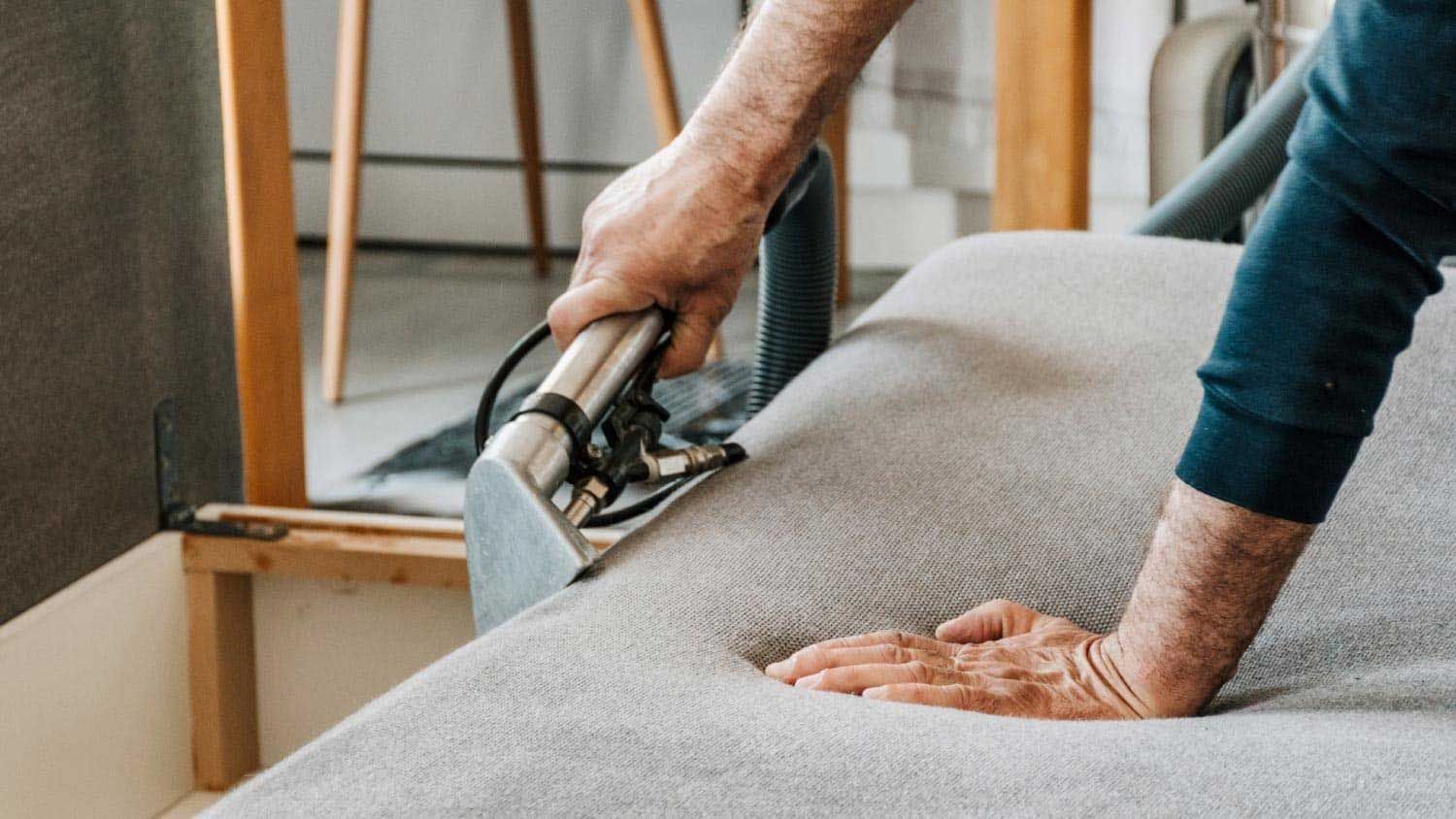
If you’ve ever wondered what is upholstery cleaning, it’s the professional process of removing dirt, stains, odours and other build-up from fabric-covered furniture such as sofas, armchairs and dining chairs. Unlike a quick wipe or spot treatment, professional cleaning looks at the fabric, construction and condition of the furniture before deciding how to clean it.
For Canberra homeowners, that matters because upholstery can collect dust, pet hair, spills and everyday grime over time. The right cleaning method can freshen the fabric without introducing too much moisture or using products that aren’t suitable for the material.
How Does Upholstery Cleaning Work?
Professional upholstery cleaning usually begins with an assessment rather than immediately applying water or cleaning solution. A cleaner may look at the fabric type, colourfastness, stains, general condition and any care information supplied by the manufacturer. They can then choose a method that suits the material and the type of soiling present.
For homeowners comparing upholstery cleaning Canberra services, this assessment is an important part of the process. Different fabrics respond differently to moisture, heat and cleaning products, so there isn’t one method that suits every lounge or chair.
The cleaning itself may involve vacuuming, stain treatment, controlled application of cleaning products and extraction or low-moisture techniques. The furniture then needs enough airflow and drying time before normal use resumes.
What Are the Main Types of Upholstery Cleaning Methods?
Several methods can be used to clean upholstered furniture. The most suitable option depends on the fabric and its care requirements.
Hot Water Extraction
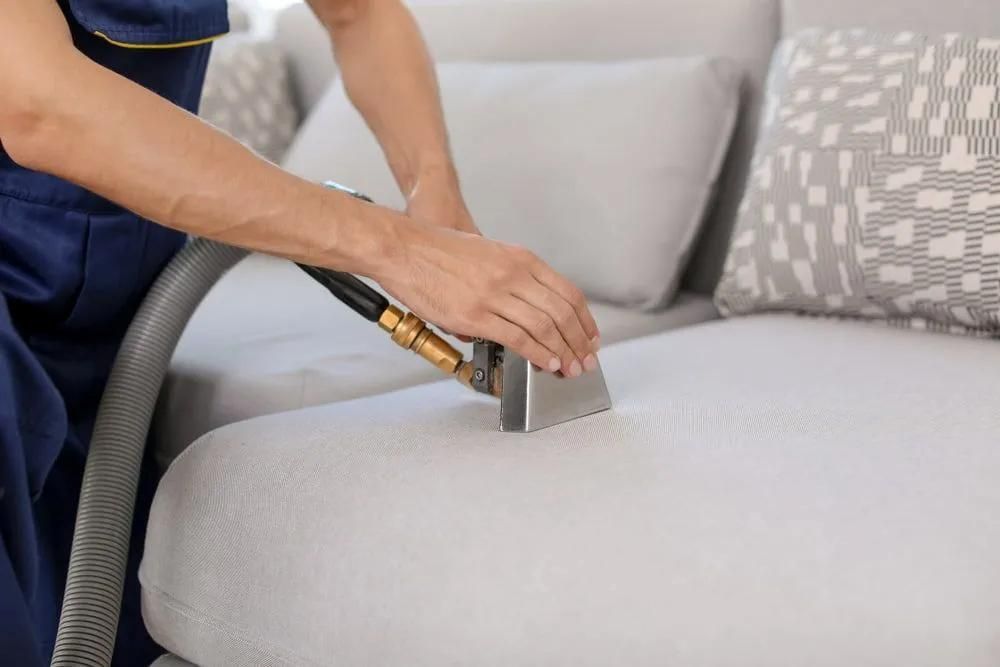
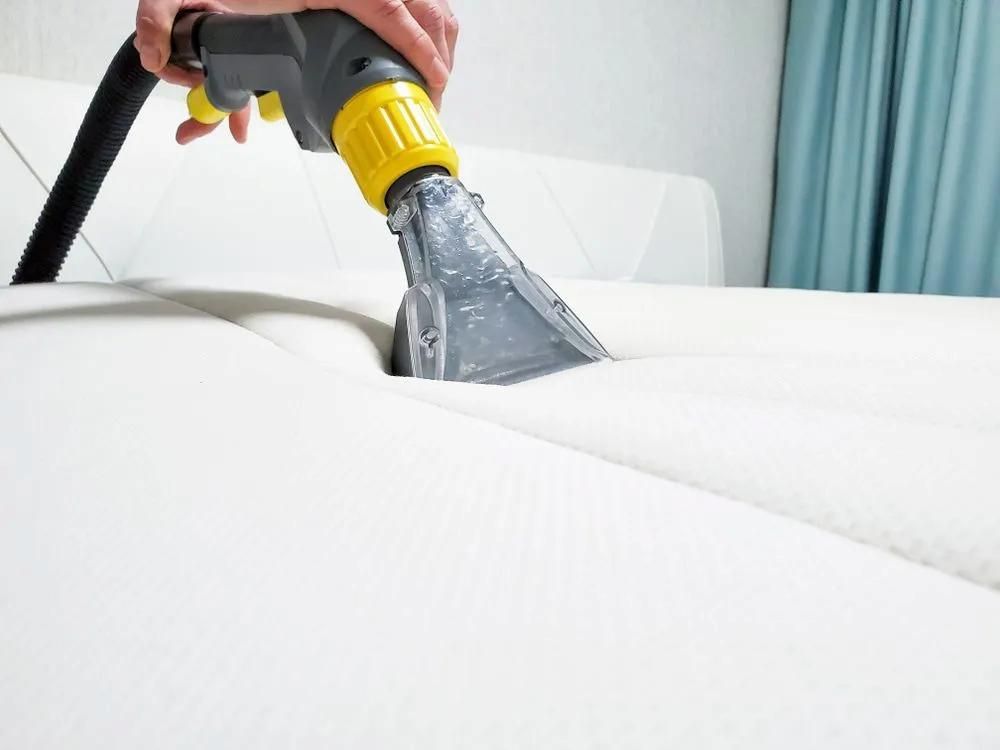
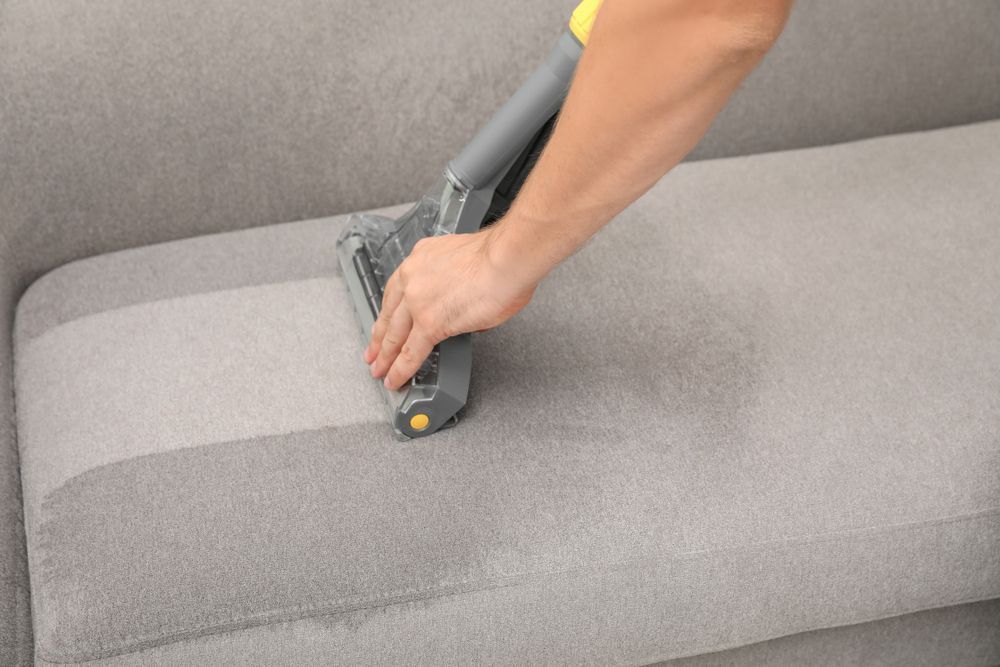
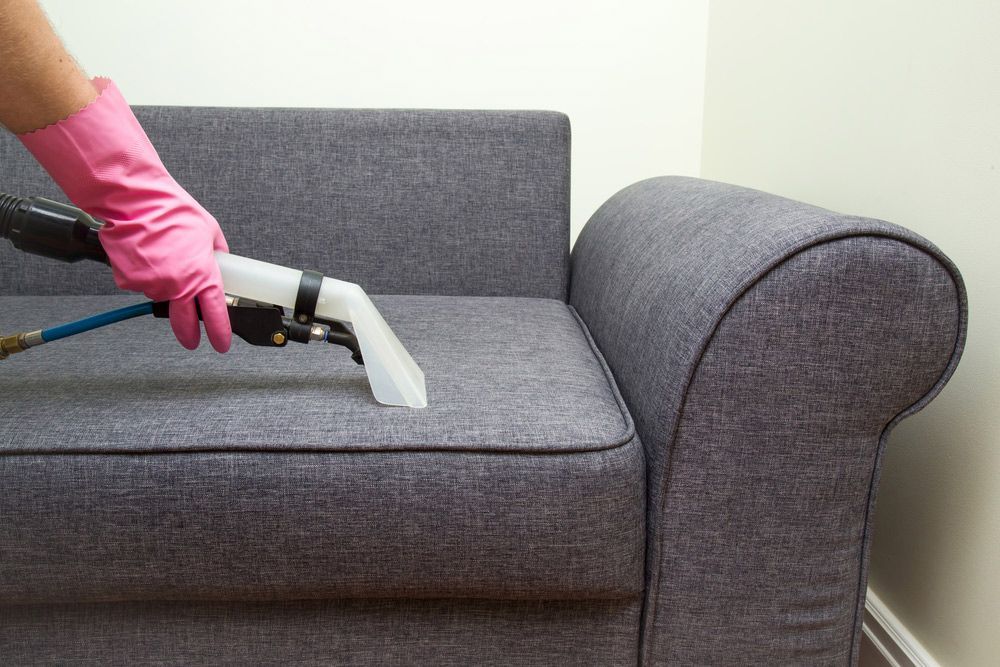
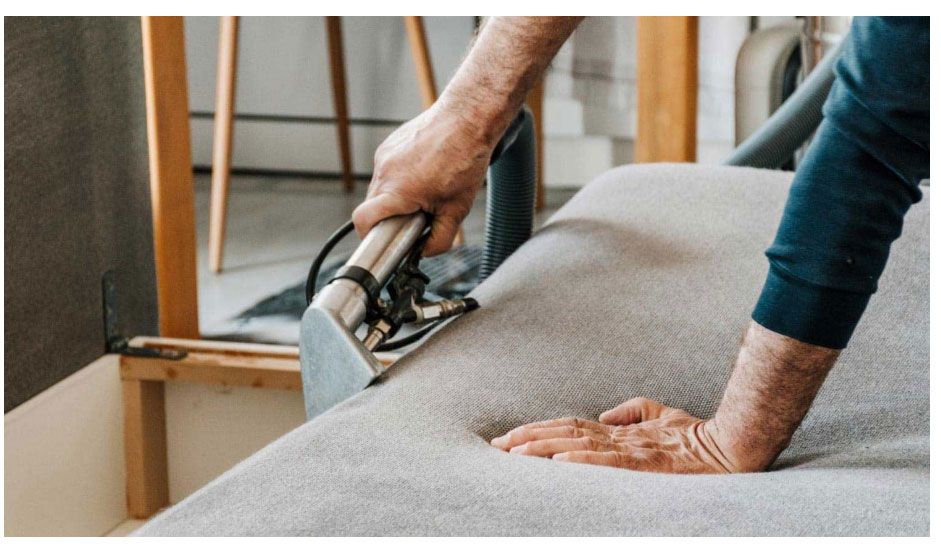
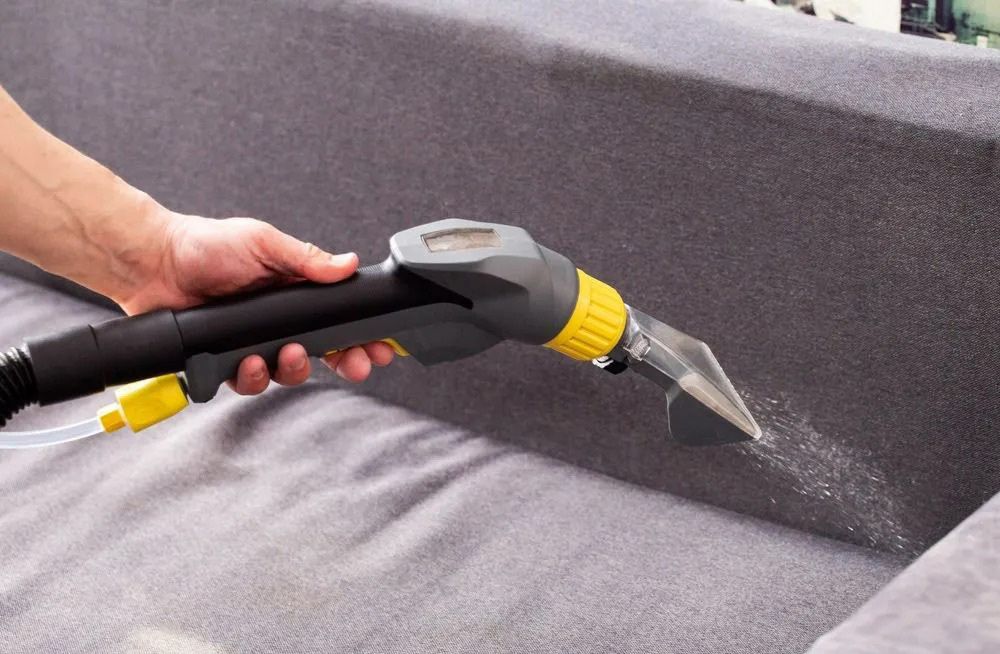
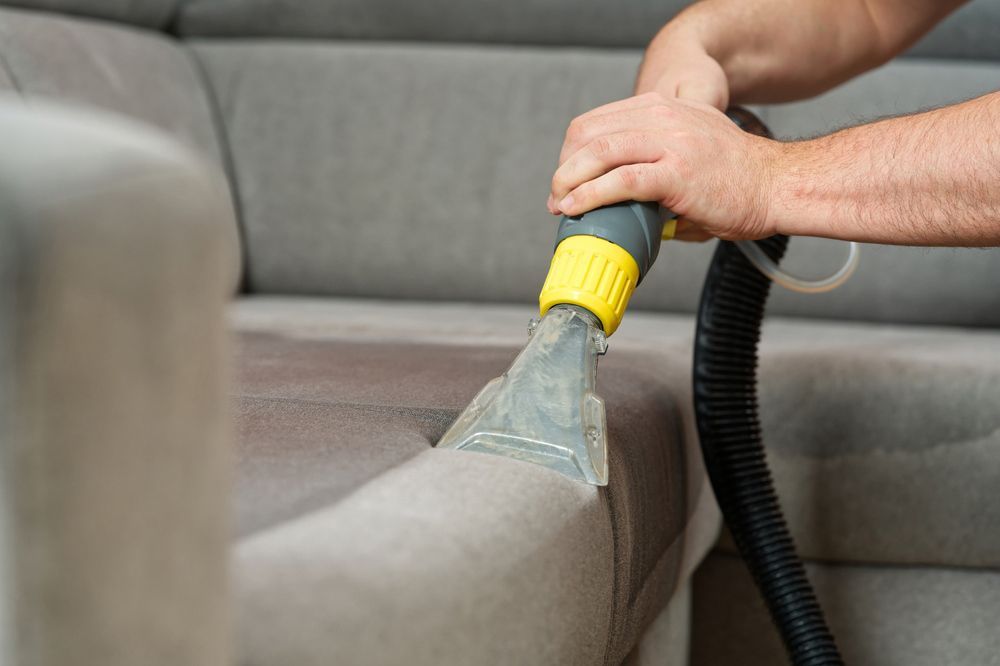
Hot water extraction applies a controlled amount of water and cleaning solution to the fabric before specialised equipment extracts the moisture along with loosened dirt.
People sometimes call this steam cleaning, although the process usually relies more on hot water and extraction than steam alone. It can provide a deeper clean for suitable fabrics, but controlling the amount of moisture is important. Upholstery contains padding and internal materials that can hold water long after the surface feels dry.
Low-Moisture Cleaning
Low-moisture techniques use less water than extraction-based cleaning. They may suit furniture where faster drying is important or where the material does not tolerate large amounts of moisture well. The cleaner still needs to choose products and equipment that suit the particular fabric.
Reducing moisture does not simply mean using less cleaning product. The aim is to remove soil effectively while keeping water use controlled throughout the process.
Dry Cleaning
Some upholstery requires a solvent-based or dry-cleaning approach rather than water-based cleaning.
This method may suit certain delicate fabrics or furniture whose care instructions restrict the use of water. Because fabric construction and dyes vary, the care label and professional assessment should guide the decision rather than choosing a method based only on the appearance of the furniture.
What Do Upholstery Cleaning Codes Mean?
Some upholstered furniture includes a cleaning code on its care label. These codes provide guidance on the types of cleaning products that may be suitable for the fabric.
Common codes include:
- W – generally indicates that water-based cleaning products may be used.
- S – generally indicates that solvent-based cleaning products should be used rather than water-based products.
- W/S or S/W – indicates that either water-based or solvent-based products may be suitable.
- X – usually indicates that the fabric should not be cleaned with water or solvent products and may be limited to vacuuming or professional advice.
These codes are useful, but they are not a complete cleaning instruction on their own. Fabric blends, dyes, backing materials and the age or condition of the furniture can still affect how it should be treated.
If you’re unsure what a label means, avoid testing random cleaning products on a visible area. A professional can interpret the cleaning code alongside the actual condition of the upholstery.
Why Does Fabric Assessment Matter?
Two sofas can look similar while requiring very different cleaning methods. Natural fibres, synthetics, blends and delicate materials can respond differently to moisture and cleaning solutions. A professional assessment helps identify these differences before treatment starts.
The cleaner may also consider whether the fabric is colourfast, whether stains have already affected the fibres and whether the furniture has previously been treated with other cleaning products.
This is one of the main differences between professional treatment and simply spraying a household stain remover onto a mark. The aim is to choose a method that addresses the dirt or stain without creating a new problem.
Whether you need an armchair refreshed or sofa cleaning Canberra, matching the cleaning process to the material gives the furniture a much better chance of being cleaned safely.
How Is Professional Cleaning Different From DIY Spot Cleaning?
At-home spot cleaning can be useful for dealing with a fresh spill, provided the furniture manufacturer’s care instructions allow it. Problems can arise when too much water, the wrong product or aggressive scrubbing enters the picture.
Household cleaning methods often focus on the visible surface. Upholstery, however, usually includes deeper layers of fabric and padding that can retain moisture.
Using excessive water can leave those layers damp even when the outside feels dry. That is one reason why DIY upholstery cleaning leads to mould or mildew problems.
Professional equipment gives cleaners more control over application and extraction. They can also adjust the method to suit the fabric instead of applying the same treatment to every piece of furniture.
What Can Upholstery Cleaning Help With?
Professional cleaning can help remove the dirt and build-up that collects through normal use. Depending on the fabric and the condition of the furniture, cleaning may help with:
- Everyday dirt and grime
- Food and drink spills
- Pet hair and some pet-related marks
- Odours
- Dust and allergens trapped in the fabric
- General dullness caused by repeated use
Not every stain can be completely removed. The result depends on what caused the stain, how long it has been present and whether it has permanently changed the fibres or dye.
Cleaning is therefore best viewed as a way to properly maintain and refresh suitable upholstery rather than a guarantee that every mark will disappear.
Does Canberra’s Climate Affect Upholstery Cleaning?
Drying conditions matter whenever moisture forms part of the cleaning process. Canberra’s seasons can bring substantial changes in indoor temperature and airflow. A lounge cleaned on a warm, well-ventilated day may dry differently from the same piece of furniture cleaned during a cold period when windows stay closed and rooms receive less airflow.
Professional cleaners take drying into account when choosing how much moisture to use and which cleaning method suits the furniture.
Homeowners should also follow any post-cleaning instructions and allow the upholstery to dry fully before putting cushions back into heavy use or covering the furniture.
When Should You Consider Professional Upholstery Cleaning?
There is no single point when every piece of furniture needs professional cleaning. Consider the way the furniture is used and how its condition has changed. A family lounge used every day may need attention sooner than an occasional chair in a spare room.
Professional cleaning may be worth considering when the fabric looks dull, stains are becoming harder to manage, odours remain after normal household cleaning or you are concerned about using the wrong method yourself.
It can also make sense to arrange a clean before dirt becomes deeply embedded, especially for frequently used sofas and chairs.
Get the Right Cleaning Method for Your Furniture
Understanding what is upholstery cleaning makes it much easier to see why fabric assessment comes before choosing a cleaning method. Hot water extraction, low-moisture cleaning and dry cleaning all have their place, but the right option depends on the furniture in front of the cleaner.
At
Totally Green Cleaning Solutions, we provide eco-friendly upholstery cleaning for Canberra homes using non-toxic products that are safe for families and pets. If you’re not sure which method suits your furniture,
book a professional clean and we’ll assess the upholstery before recommending the appropriate approach.
Frequently Asked Questions
What is the best method for cleaning upholstery?
The best method depends on the fabric, its condition and the manufacturer’s care instructions. Hot water extraction may suit some upholstery, while delicate materials may need low-moisture or dry-cleaning methods. A professional cleaner should assess the furniture before choosing the treatment rather than using the same process on every fabric.
How long does upholstery take to dry after cleaning?
Drying time varies according to the cleaning method, fabric, amount of moisture used and conditions inside the home. Good airflow can help the process. Avoid assuming upholstery is completely dry just because the surface feels dry, as padding beneath the fabric can retain moisture for longer.
Can professional upholstery cleaning remove every stain?
Professional cleaning can improve many stains, but complete removal is not always possible. The result depends on the fabric, what caused the stain, how long it has been there and whether it has permanently affected the fibres or dye. Older or set-in stains can be more difficult to remove.
Is professional upholstery cleaning suitable for homes with children or pets?
Totally Green Cleaning Solutions uses eco-friendly, non-toxic cleaning products designed to be safe for families, pets and allergy sufferers. The cleaning method still depends on the furniture itself, so we assess the upholstery and choose an appropriate treatment for the fabric.